
1 min read

How Does an AODD Pump Work? A Practical Guide

How Does an AODD Pump Work? A Practical Guide

How Does an AODD Pump Work?

A Practical Guide to Air-Operated Double Diaphragm Pumps

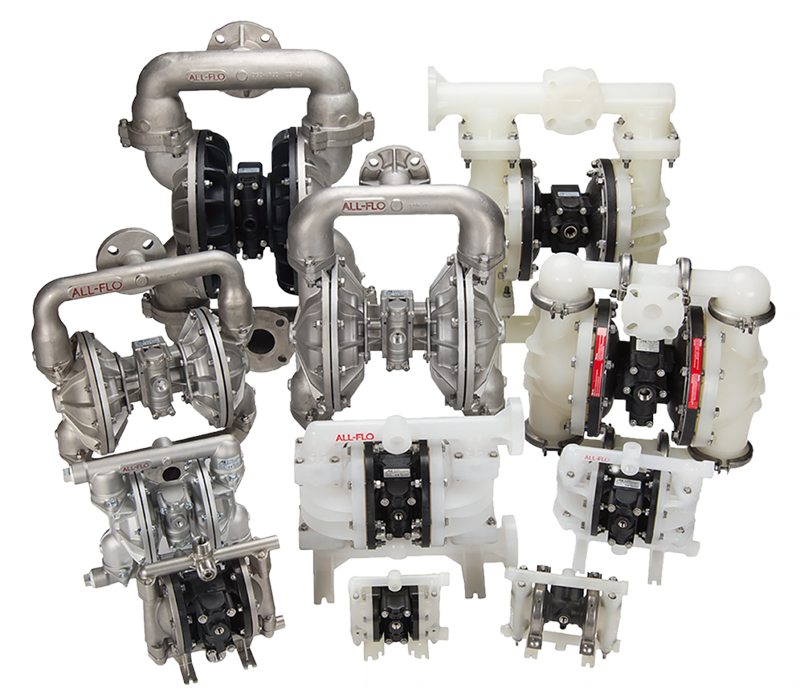
Air-Operated Double Diaphragm (AODD) pumps are widely regarded as the workhorses of industrial pumping. Their ability to operate reliably across a wide range of industries and fluids makes them a go-to solution for many challenging applications.

AODD pumps are commonly used in:

  • Chemical processing
  • Food and beverage production
  • Paints and coatings
  • Mining and quarrying
  • Road construction and maintenance
  • Wastewater, sludge, and slurry handling

Why Choose an AODD Pump?

AODD pumps offer several practical advantages that make them suitable for demanding or high-risk environments:

  • Self-priming capability
  • Ability to run dry without damage
  • No electricity required – powered entirely by compressed air
  • Safe for hazardous or explosive environments
  • Capable of handling shear-sensitive, viscous, abrasive, or solids-laden fluids

This combination makes AODD pumps especially valuable where electrical power is unavailable, restricted or unsafe.


What Fluids Can an AODD Pump Handle?

AODD pumps are extremely versatile and can transfer:

  • Fluidised dry powders
  • Shear-sensitive liquids
  • High-viscosity products
  • Abrasive slurries and corrosive fluids

This flexibility often allows a single pump model to be used across multiple applications within the same facility.


How an AODD Pump Works

AODD pumps are known for their simple, robust internal design which contributes to their reliability and ease of maintenance.

The main components include:

  • Two flexible diaphragms
  • Four check valve balls
  • Inlet and outlet ports
  • An air-operated shuttle valve

Compressed air is alternately directed to each diaphragm by the air valve. As one diaphragm moves inward, it creates a vacuum in its chamber, drawing fluid in through the inlet check valve. At the same time, the opposite diaphragm compresses its chamber, closing the inlet valve and forcing fluid out through the discharge.

When the air valve shifts, the process reverses. This alternating motion creates a continuous positive-displacement pumping action, allowing consistent flow regardless of discharge pressure.


Reliability, Spares, and Maintenance

AODD pumps are relatively simple to maintain, with clearly defined wet-side and air-side service kits available. Most repairs can be carried out by following step-by-step manufacturer procedures.

For pumps operating 24/7 or in critical production roles, keeping a spare pump available is strongly recommended. This may be a dedicated standby unit or another pump that can be redeployed quickly to minimise downtime.

From a cost perspective, it’s important to consider not just repair costs, but lost production time. As a general rule, AODD pumps smaller than ½” are often more economical to replace than repair once labour and downtime are factored in.


Need Help Selecting the Right AODD Pump?

Talk to an AODD Pump Expert Today

How Many Pumps Does a Farm Really Need?

2 min read

How Many Pumps Does a Farm Really Need?

Every farm relies on water, but not every farm needs the same pumping setup. The right number of pumps depends on your water source,...

Read More
When Is A Submersible Pump Necessary?

1 min read

When Is A Submersible Pump Necessary?

Submersible pumps are widely used across commercial, industrial, rural, and municipal applications. They are commonly selected for handling...

Read More
Best Lubrication And Oil Transfer Pumps

1 min read

Best Lubrication And Oil Transfer Pumps

Transferring oils and lubricants reliably requires pumps that can handle varying viscosities, operate safely, and minimise downtime. For...

Read More