
2 min read
How to calculate the flow rate of your pump
Whether you’re assessing an existing industrial pump system or planning a new installation, flow rate is one of the most important performance...
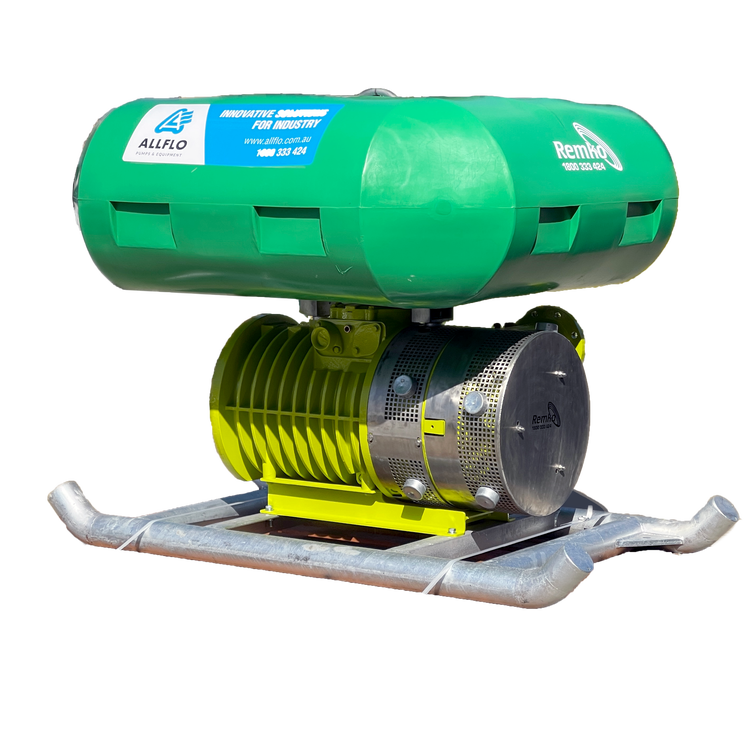
A submersible pump is typically required when:
Because submersible pumps use hermetically sealed motors, they can operate safely while fully submerged — something surface-mounted pumps are not designed to do.
While submersible pumps are highly versatile, correct selection is essential. Factors such as fluid type, solids content, temperature and operating depth must be considered to avoid premature failure.
Different applications require different submersible pump designs, including:
Each type is designed to handle specific flow rates, solids and operating conditions.
In harsh environments involving corrosive fluids, high temperatures or aggressive wastewater, material selection is critical.
For example, Remko 316 stainless steel submersible pumps are designed to resist corrosion and provide long service life in demanding applications. Using a pump outside its intended duty can void warranties and lead to unnecessary downtime and cost.
Submersible pumps are not always the answer, but when depth, reliability and operating conditions demand it, they are often the most effective solution.
2 min read
Whether you’re assessing an existing industrial pump system or planning a new installation, flow rate is one of the most important performance...
2 min read
Every farm relies on water, but not every farm needs the same pumping setup. The right number of pumps depends on your water source,...
Pumps that handle high-temperature liquids are used across almost every industrial sector. Understanding how elevated temperatures affect pump...