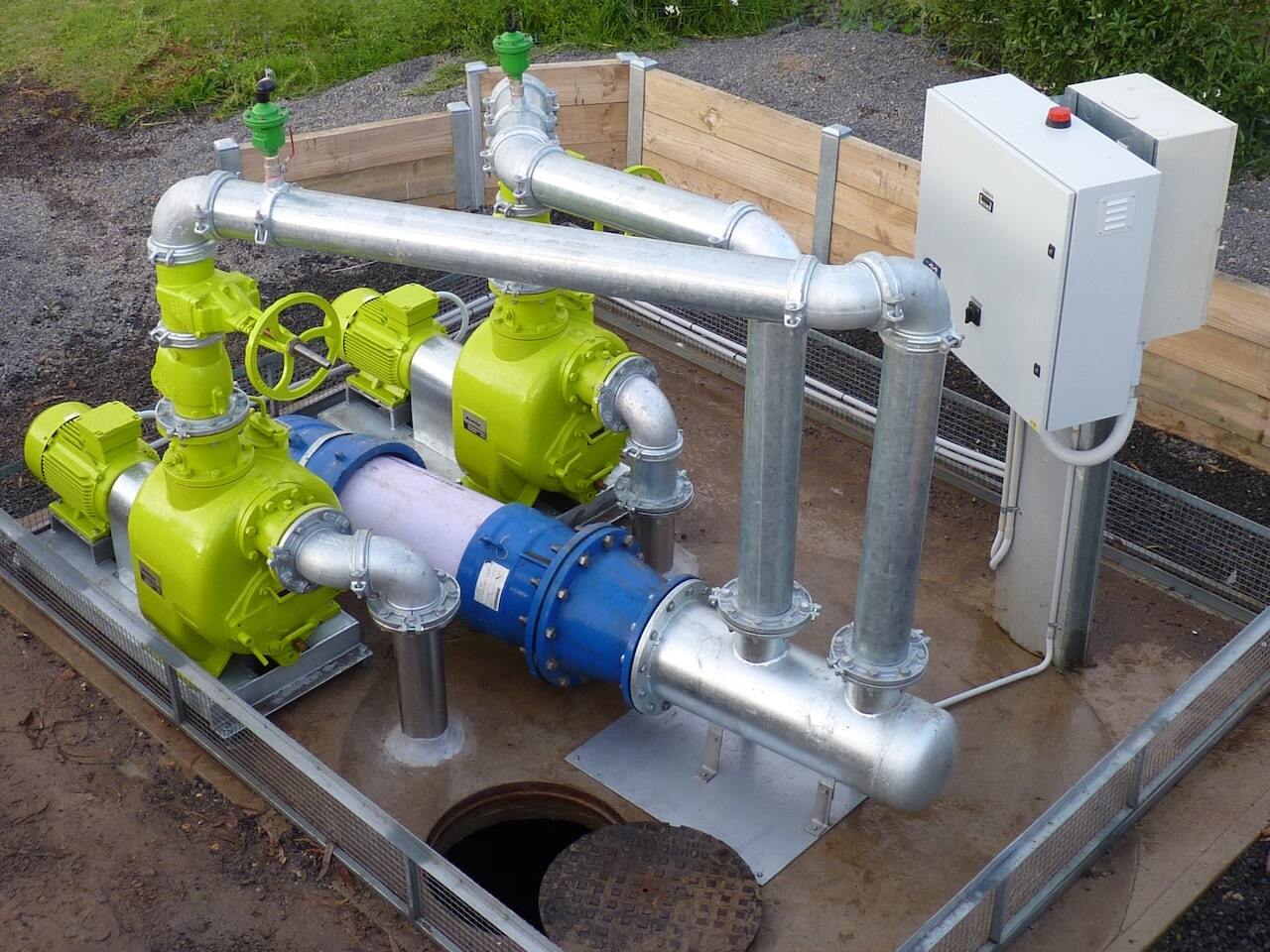

Troubleshooting Self Priming Pumps
Learn how to troubleshoot self-priming pump issues using gauge readings to diagnose cavitation, blockages, air leaks, and flow problems.
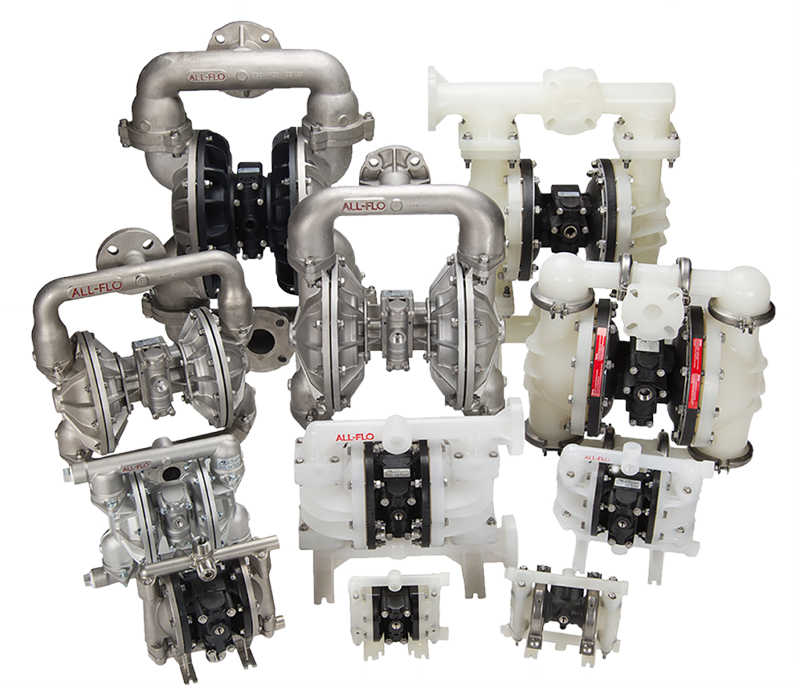
AODD pumps use compressed air to move fluid via two flexible diaphragms connected by a central shaft. As one chamber fills, the other discharges, creating a continuous and controlled flow.
This simple operating principle makes AODD pumps:
AODD pumps are commonly used to transfer mineral oils, hydraulic oils and food-grade lubricants because they offer:
These features allow many facilities to standardise on a single pump technology across multiple oil transfer duties.
Metallic AODD pumps are widely used for general-purpose oil and lubrication transfer where durability and performance are essential.
Allflo metallic AODD pumps are available in aluminium, anodised aluminium and stainless steel to suit different corrosion and abrasion requirements. Stainless steel models are typically selected where higher chemical resistance or harsher operating conditions are present.
Common applications include:
Choosing the correct AODD pump depends on factors such as:
Reviewing a chemical compatibility chart is essential to ensure long service life and reliable operation.
AODD pumps remain one of the most versatile and dependable solutions for lubrication and oil transfer across industrial, mining and processing applications.
Learn how to troubleshoot self-priming pump issues using gauge readings to diagnose cavitation, blockages, air leaks, and flow problems.
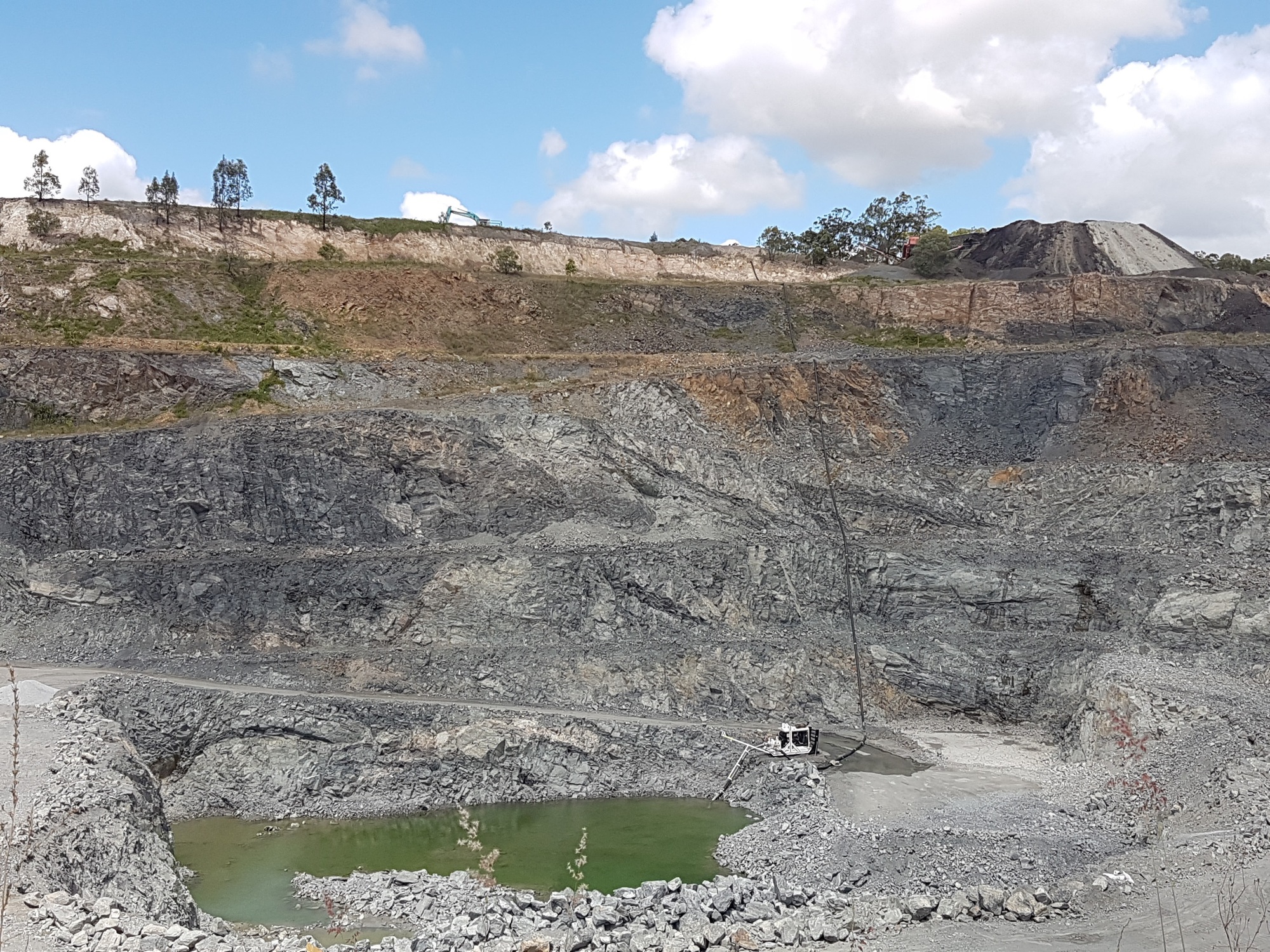
Learn how pumps are used in quarry operations for dewatering, slurry transfer, chemical dosing and dust control in demanding site conditions.
Learn how AODD pumps handle high-viscosity fluids, including suction limits, pipe sizing, TDH, viscosity derating and air pressure requirements.