
2 min read
How to calculate the flow rate of your pump
Whether you’re assessing an existing industrial pump system or planning a new installation, flow rate is one of the most important performance...
Below are the most common pump types used in quarrying applications and the role each plays.
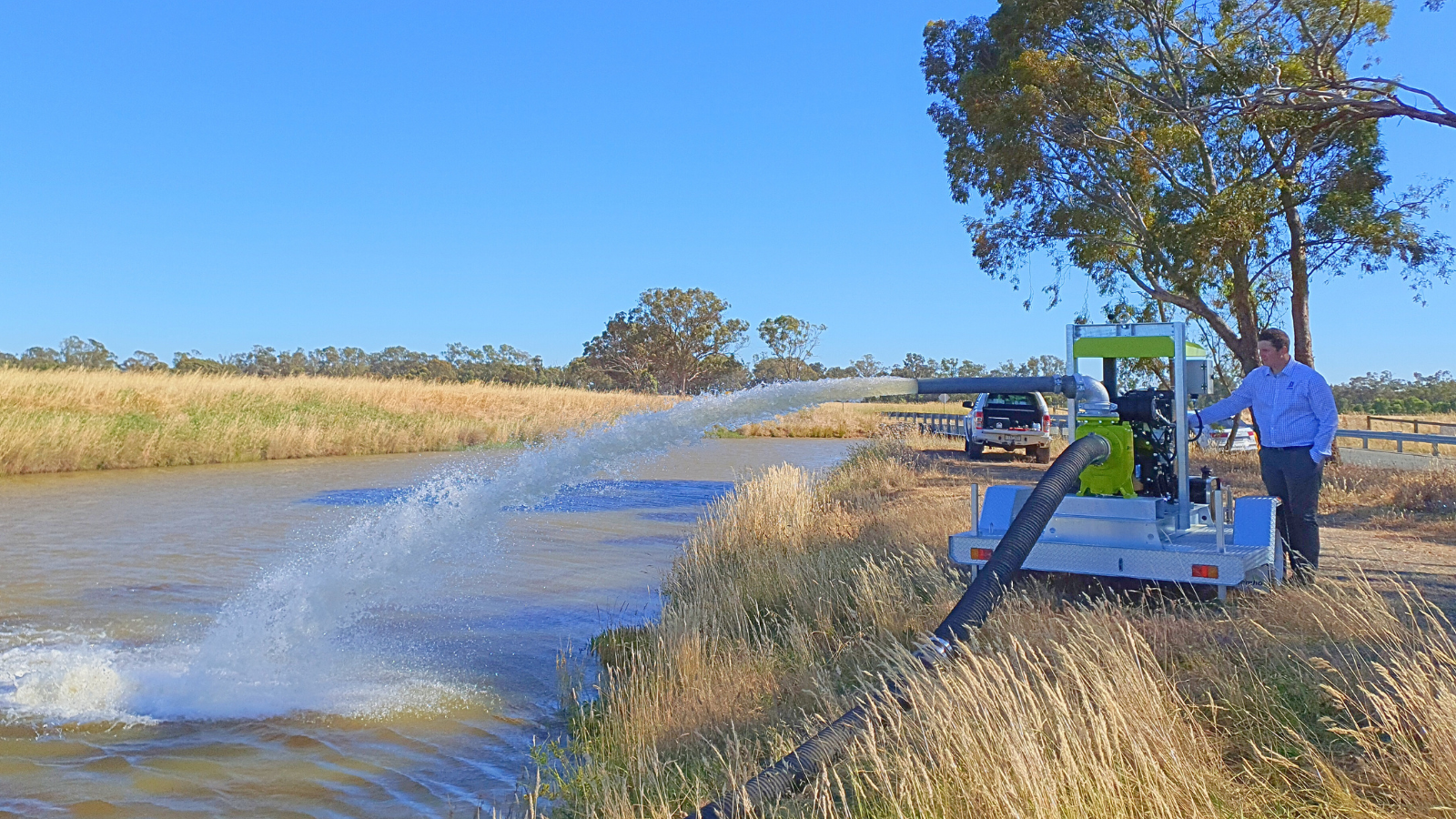
Centrifugal pumps are widely used across quarry sites due to their versatility and durability.
They are commonly applied for:
General water transfer and dewatering
Pressure boosting
Wastewater and washdown duties
Transferring oils, hydrocarbons, acids, and chemicals
Their ability to handle a wide range of fluids makes them a reliable, multi-purpose solution in quarry operations.
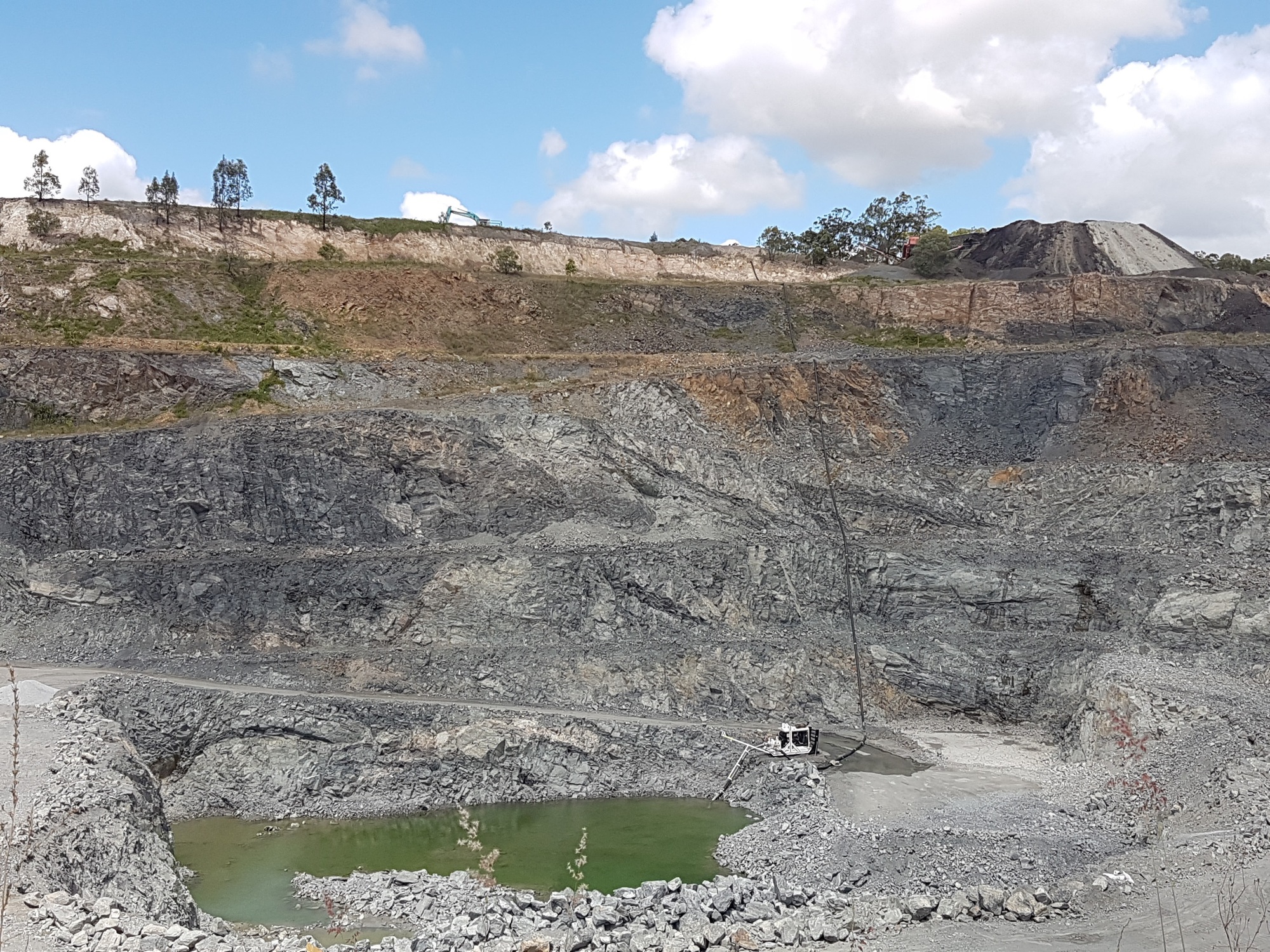
Effective dewatering is essential to maintain safe working conditions and prevent costly delays.
Removing groundwater and surface water helps stabilise quarry floors, access roads, and excavation areas.
Submersible pumps are commonly used for dewatering applications as they push water to the surface rather than pulling it, improving efficiency. Depending on site conditions, alternatives such as self-priming pumps, trash pumps, or auto-prime pumps may also be used.
Quarry operations often require precise dosing of chemicals for water treatment, dust suppression or process control.
Dosing and metering pumps provide accurate, repeatable delivery of acids and chemical liquids, reducing waste and improving safety.
Flow rates can be adjusted to suit the application, helping operators maintain control when handling hazardous substances.
Slurry pumps are designed to handle thick, abrasive, and corrosive mixtures commonly found in quarrying.
Used to transfer slurries containing solids, these pumps are built with heavy-duty materials to withstand harsh operating conditions.
They are available in several configurations, including centrifugal and submersible designs, depending on the application.
Dust control is a key safety and environmental concern in quarry operations.
Standpipe pump packages are used to supply water for dust suppression during material loading and transport.
These systems can be installed as temporary or permanent solutions and are also used to minimise material loss during handling.
Quarry environments place significant demands on equipment. Selecting fit-for-purpose pumping solutions helps protect workers, maintain compliance, and ensure efficient extraction and processing.
2 min read
Whether you’re assessing an existing industrial pump system or planning a new installation, flow rate is one of the most important performance...
2 min read
Air Operated Double Diaphragm (AODD) pumps are often associated with low-viscosity transfer duties. In reality, when correctly applied, they...
1 min read
Flooding presents a serious risk to public safety, infrastructure, and property. While individual preparedness is important, local councils...