
2 min read

Safety Risks and Best Practices for Pumping Wastewater

Safety Risks and Best Practices for Pumping Wastewater
Introduction

Pumping wastewater is essential for public health and environmental protection — but it also introduces significant safety, environmental, and operational risks if not managed correctly.

Overflow events, uncontrolled discharge, poor pump placement, and unsafe maintenance practices can expose workers to hazards, contaminate inland, marine, and groundwater systems, and increase long-term operating costs.

To reduce these risks, Allflo applies practical engineering principles and proven pump design strategies to make wastewater pumping safer, more reliable, and easier to maintain.


The Environment and Worker Safety

Wastewater pumps are routinely exposed to debris, solids and contaminated fluids. While regular cleaning and maintenance are unavoidable, these tasks can place workers at risk if equipment is not designed with safety in mind.

Allflo’s Remko wastewater pumps are engineered to minimise direct exposure during operation and servicing. Design features focus on reducing manual intervention, limiting contact with hazardous materials and lowering the frequency and complexity of maintenance tasks.


Preventing Overflow and Environmental Contamination

Excessive pressure within pipework can lead to wastewater overflows, releasing untreated effluent into surrounding environments and causing serious environmental damage.

To prevent this, Remko pumps can be integrated with pressure transducers and automated control systems. These systems continuously monitor operating conditions and adjust pump speed to maintain safe discharge pressures, reducing the risk of pipe failure and uncontrolled overflow.


Pumps Designed for Safer Maintenance

Worker safety during maintenance should directly influence pump design.

Remko wastewater pumps are designed to:

  • Self-prime and re-prime without supervision

  • Run dry without damage

  • Clear air pockets automatically

  • Handle solids up to 76 mm in diameter

These features reduce the need for frequent intervention and lower the risks associated with exposure during servicing. In the event of a blockage, impeller access is straightforward, minimising downtime and manual handling.


Pump Placement: Above, Below, or Ground Level?

Pump placement plays a critical role in both safety and maintainability.

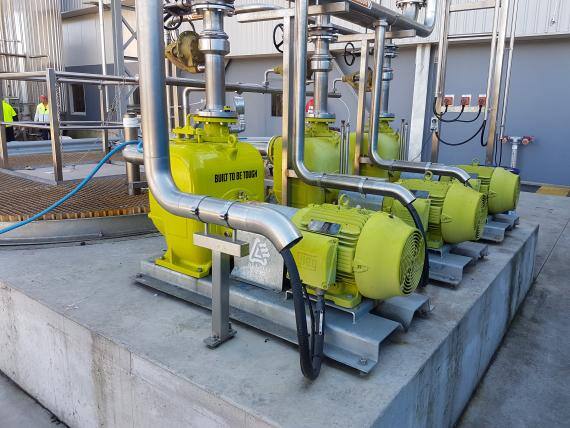
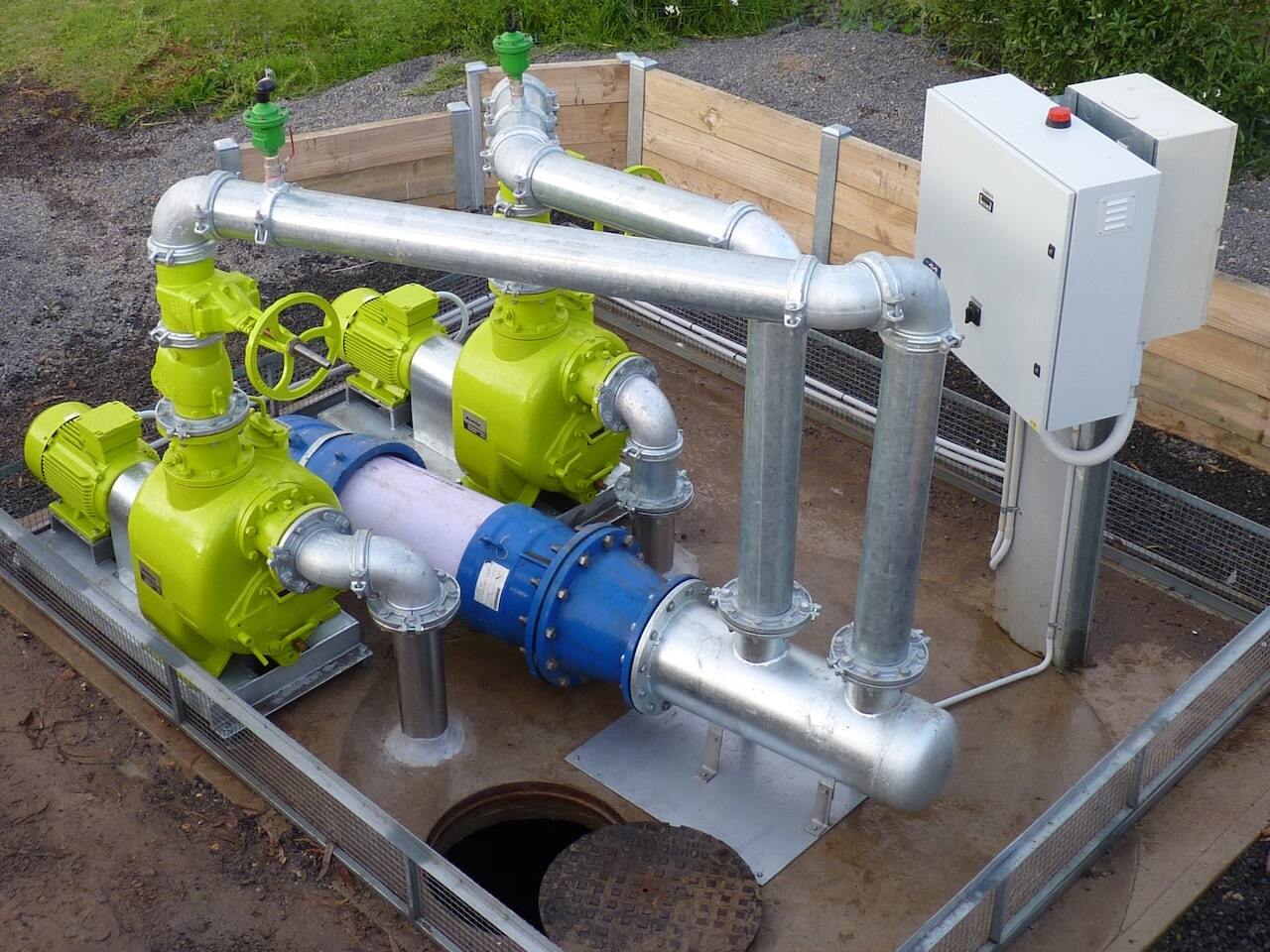
Installing pumps at elevated heights or within deep pits introduces risks such as falls, unstable pipework and restricted access. By contrast, ground-level pump installations allow pipework to extend into pits while keeping the pump itself accessible and secure.

This approach significantly reduces the risk of equipment falling, improves access for inspection, and simplifies maintenance procedures.


Reducing Risk During Maintenance Operations

Maintenance activities often require lifting equipment, cranes, or confined-space access — all of which increase safety risks and operational costs.

By keeping pump systems at ground level, maintenance can often be performed while the pump remains connected to the pipework. This reduces the need for lifting machinery, minimises disruption, and lowers both safety risks and associated costs.


Safety First

Selecting the right wastewater pumping solution protects workers, the public, and the environment.

Reducing safety risks not only prevents injury and contamination incidents — it also lowers downtime, minimises unplanned maintenance, and reduces long-term operating costs.

Investing in well-designed wastewater pumps is an investment in safer operations, improved reliability and sustainable performance over the life of the system.


If you’d like to discuss safer, more reliable wastewater pumping for your site, our team is here to help.


Talk to a Wastewater Pumping Specialist

Pump Solutions Governments Use for Water, Wastewater & Infrastructure

2 min read

Pump Solutions Governments Use for Water, Wastewater & Infrastructure

Introduction Government and public-sector organisations manage a wide range of critical services — from civil infrastructure and water...

Read More
Troubleshooting Self Priming Pumps

1 min read

Troubleshooting Self Priming Pumps

When a self-priming pump underperforms, the issue is often not the pump itself but the surrounding system. Gauge readings are one of the most...

Read More
When Is A Submersible Pump Necessary?

1 min read

When Is A Submersible Pump Necessary?

Submersible pumps are widely used across commercial, industrial, rural, and municipal applications. They are commonly selected for handling...

Read More