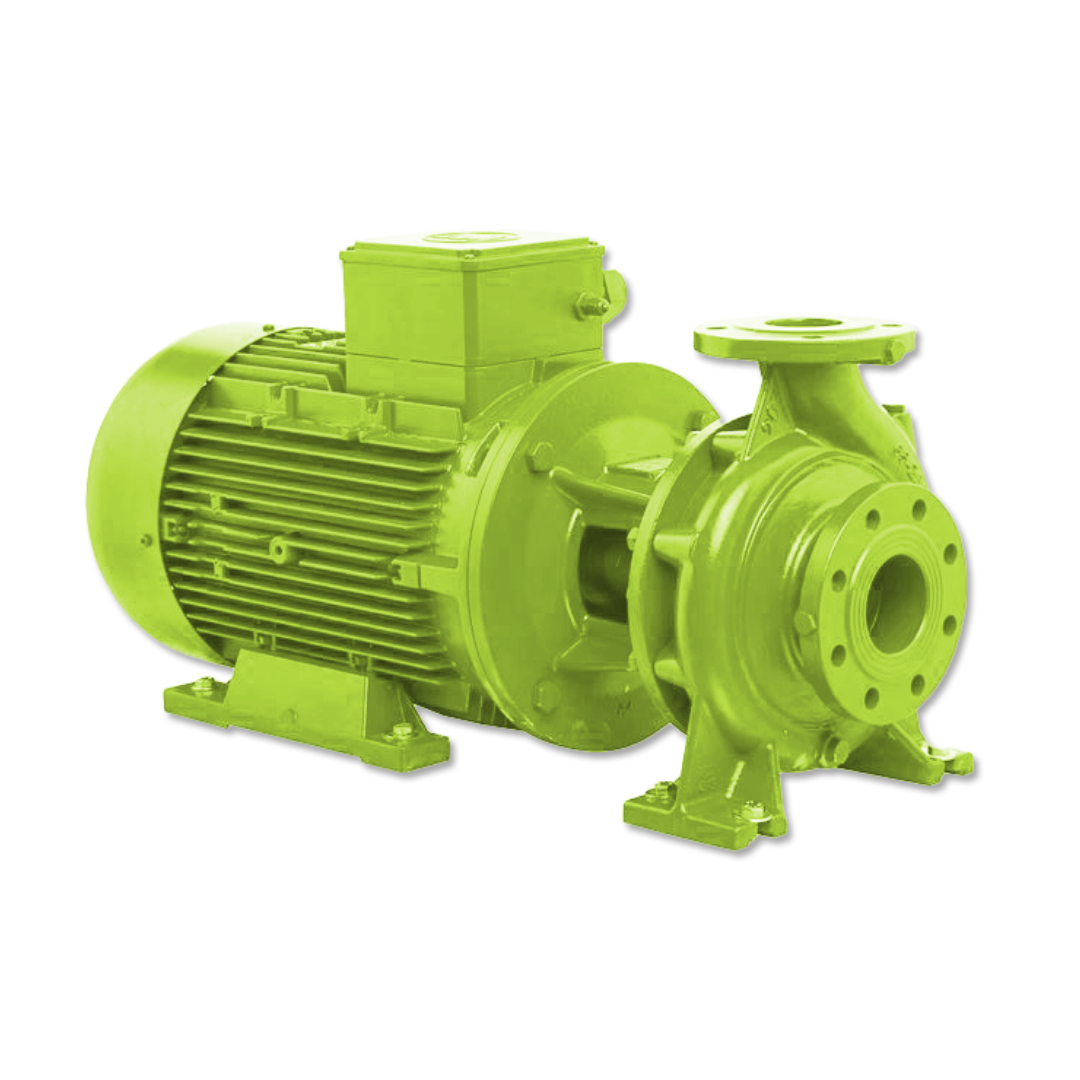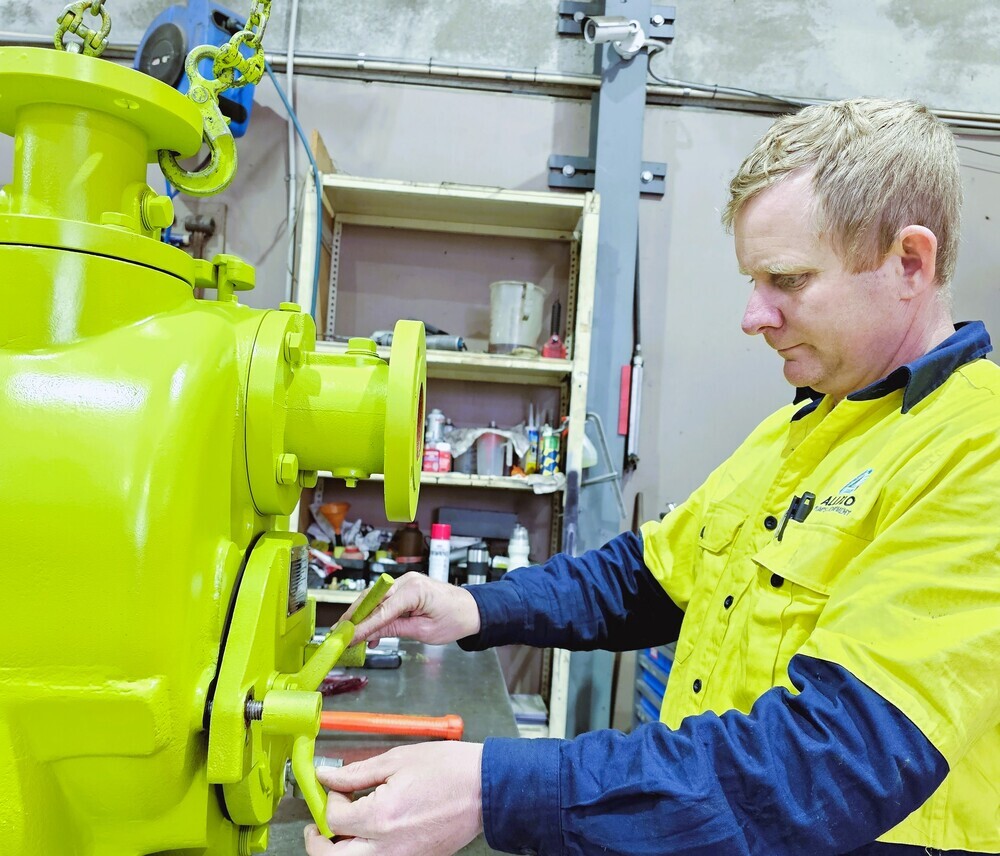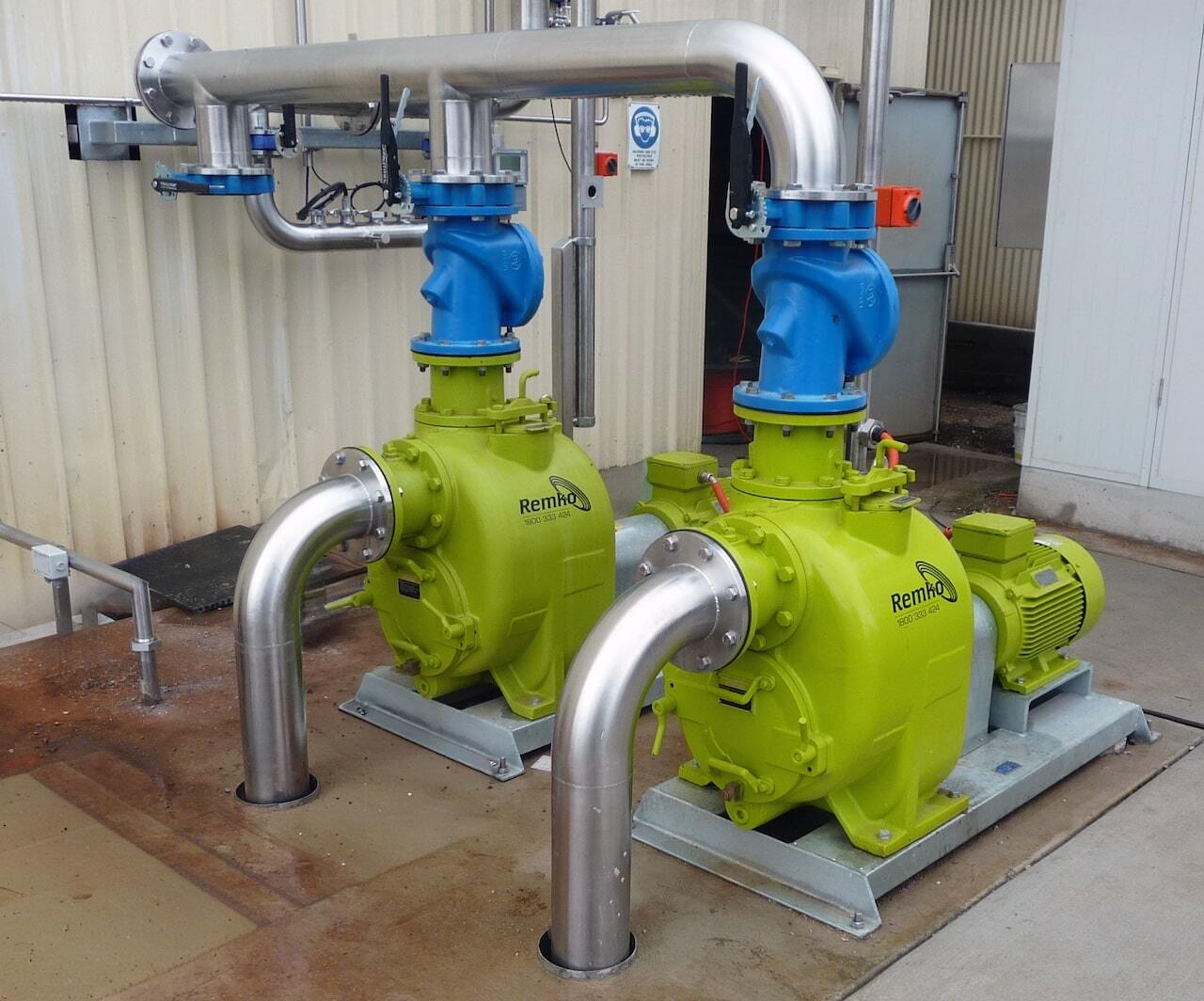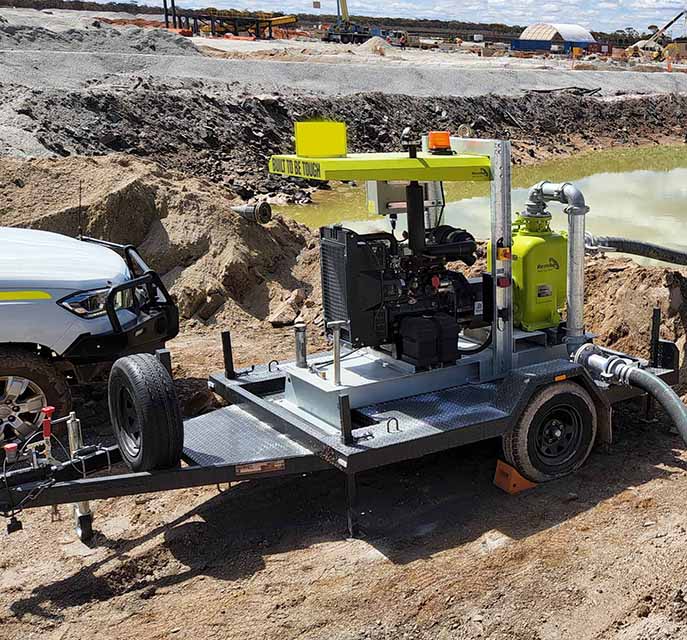

Centrifugal pump efficiency has a direct impact on energy use, operating costs and equipment lifespan.
Most efficiency issues stem from a small number of misunderstood principles.
 
Below are clear, practical answers to six of the most common centrifugal pump efficiency questions — written for engineers, operators, and decision-makers who want reliable performance without unnecessary complexity.


1. What Is Pump Efficiency?

Pump efficiency describes how effectively a pump converts input energy into useful output.

In simple terms:

  • Input energy = power supplied to the pump shaft

  • Output energy = hydraulic power delivered to the fluid

Pump efficiency is expressed as:

Efficiency = Water Power ÷ Shaft Power

The higher the efficiency, the less energy is wasted as heat, vibration, or internal losses.


2. How Does Pump Speed Affect the Pump Curve?

Pump speed plays a critical role in how a centrifugal pump performs.

Rather than focusing on physical size, engineers often use specific speed — a dimensionless value that helps predict pump behaviour across different designs.

Specific speed helps determine:

  • Expected efficiency range

  • Flow and head characteristics

  • Suitability for different applications

  • Risk of premature wear or failure

In practice, it allows designers and operators to compare pumps of different sizes while predicting performance with confidence.


3. What Factors Influence Centrifugal Pump Efficiency?

Overall pump efficiency is made up of three key components:

  1. Hydraulic efficiency – How effectively energy is transferred to the fluid, influenced by impeller design, vane shape and spacing.

  2. Volumetric efficiency – Losses caused by internal leakage through wear rings, balancing holes and clearance gaps.

  3. Mechanical efficiency – Losses from bearings, seals, packing and other rotating components.

As internal clearances increase and mechanical components wear, overall pump efficiency declines — reinforcing the importance of correct pump selection and ongoing maintenance.


4. How Can Centrifugal Pump Efficiency Be Preserved?

One of the most critical design elements is the cutwater (or tongue) in the volute.

This feature controls flow into the pump throat. Optimal clearance between the impeller and cutwater:

  • Minimises pressure pulsations

  • Reduces internal recirculation

  • Maintains stable efficiency

When an impeller is trimmed excessively, clearance increases, internal recirculation rises, and efficiency drops.

Maintaining correct clearances is essential to long-term performance.


5. Does the Performance Curve Predict Efficiency?

Yes — pump efficiency and the performance curve are closely linked.

General efficiency trends:

  • Low specific speed (<500): Low efficiency

  • Mid-range (≈2000–3000): Peak efficiency

  • High specific speed (>3000): Efficiency declines gradually

Understanding where a pump operates on its curve helps identify whether inefficiencies are design-related or operational.


6. Why Does Pump Efficiency Matter?

Pump efficiency directly affects power consumption.

  • Power demand increases with flow and head

  • For the same duty point, higher efficiency = lower energy input

Improving efficiency:

  • Reduces energy costs

  • Lowers heat and wear

  • Extends pump life

  • Improves system reliability

Efficiency isn’t just a performance metric — it’s a cost control tool.


Key Takeaways

Efficient centrifugal pump operation depends on:

  • Correct pump selection

  • Operation near best efficiency point (BEP)

  • Proper internal clearances

  • Ongoing maintenance

Small efficiency improvements compound into meaningful energy and maintenance savings over the life of the pump.

 
If you’re unsure whether your current pumps are operating efficiently — or need help selecting a better-matched solution — Allflo’s pump specialists can help.


Contact a Centrifugal Pump Specialist Today